Looking for Help for Haiti? Here Are 10 Things You Should Know Before Giving
Haiti needs help. But not all help creates the same result.
Emergency relief is essential when families face hunger, displacement, disease, or disaster. It saves lives today. But lasting progress requires more than responding to the next crisis. It requires trusted partnerships, local leadership, practical systems, and sustained commitment.
If you are looking for help for Haiti, your giving can support both immediate needs and long-term transformation. These 10 principles can help you make a clear, informed decision.
1. Understand the Difference Between Relief and Development
Emergency relief responds to an urgent condition. It provides food, water, shelter, medical care, or other immediate assistance.
Development builds the systems that help communities become more self-reliant. It supports food production, local businesses, skills, infrastructure, and decision-making that continue long after a single distribution ends.
Both matter. But they serve different purposes.
A food package can help a family through the week. A community garden, irrigation canal, seed library, or poultry program can help that family produce food for months and years.
Immediate relief is necessary. Sustainable development is lasting.
HDNF works to connect these needs through its food security programs, which focus on practical, community-led solutions rather than dependence on repeated emergency assistance.
2. Look for Haitian-Led and Community-Centered Work
The strongest programs do not treat Haitian communities as passive recipients. They work with farmers, entrepreneurs, pastors, community leaders, families, and local organizations as owners and partners.
Before giving, ask:
- Who makes decisions about the program?
- Who operates the project locally?
- Are community leaders involved in selecting priorities?
- Will local people have the skills and resources to continue the work?
The Haiti Development Institute describes this approach clearly: rural communities have the ideas and leadership to create sustainable progress, but they need financial and organizational support to grow. Its model emphasizes training, coaching, data, networks, and long-term investment in local Haitian organizations.
This is the difference between delivering a project to a community and building a project with a community.
3. Choose a Clear Mission Over a Vague Promise
A credible organization should explain exactly what it does and why its approach matters.
Look for a mission connected to specific outcomes, such as:
- Improving food security
- Expanding sustainable agriculture
- Supporting rural entrepreneurs
- Providing clean energy solutions
- Teaching preservation and craftsmanship skills
- Building community-centered tourism
- Strengthening local economic resilience
A clear mission makes it easier to understand what your donation supports. It also makes accountability possible.
HDNF’s long-term goal is clear: help Haiti transition from emergency relief to a self-sustaining society through its Haiti 2050 vision. The work is organized around food production, energy independence, preservation skills, craftsmanship, and sustainable tourism.
Not one isolated project. A connected development model.
4. Examine the Evidence Behind the Need
Haiti’s crisis is serious and structural. According to HDNF’s food security program information, approximately 5.4 million Haitians: nearly half the population: face acute food insecurity.
This means families may not have consistent access to enough nutritious food. It affects children, older adults, farmers, and entire communities.
Economic pressure intensifies the problem. Inflation raises the cost of food and fuel. Limited employment reduces household income. Weak infrastructure makes it harder for farmers to move products to market. Environmental degradation reduces the productivity of already limited farmland.
These conditions require urgent action. But they also show why short-term solutions alone cannot be enough.
Your support should respond to the immediate crisis while helping address the systems that keep families vulnerable.
5. Ask What Your Gift Actually Funds
A responsible nonprofit should make the use of donations understandable.
Your gift may support:
- Seeds, tools, soil analysis, or irrigation
- Farmer training and technical advice
- Livestock, poultry, feed, vaccination, and veterinary follow-up
- Community savings and loan groups
- Food preservation equipment and training
- Local craftsmanship and repair skills
- Renewable energy and waste-to-energy systems
- Monitoring, reporting, and project coordination
For example, HDNF’s 2023 chicken distribution project provided 200 chickens to 100 families, constructed 96 coops, vaccinated every chicken, and hired a veterinarian for training and follow-up. Families were expected to return a rooster and a hen so the program could expand to additional households.
That is more than a one-time handout. It is a model designed to multiply.
6. Look for Measurable Results
Good intentions are important. Measurable results are stronger.
Before giving, look for numbers that show what a program has accomplished or is designed to achieve:
- Households reached
- Acres assessed or cultivated
- Farmers trained
- Livestock distributed
- Coops or irrigation systems constructed
- Businesses supported
- Loans circulated
- Crops produced
- Follow-up visits completed
HDNF reports that its community garden project currently enables 80 households to grow food continuously through newly constructed irrigation canals. The organization’s precision agriculture work also uses land data, satellite imagery, terrain mapping, and soil analysis to guide decisions for specific plots.
Measurement does not replace human connection. It strengthens accountability and helps communities improve what works.
7. Support Science That Farmers Can Use
Technology matters when it answers practical questions.
HDNF’s Precision Agriculture Initiative, launched on May 1, 2026, combines local farmer knowledge with satellite imagery, vegetation analysis, terrain screening, soil sampling, and agricultural expertise.
The purpose is not to give farmers complicated maps. The purpose is to help answer four direct questions:
- What should be grown?
- Where should it be grown?
- Where should soil be tested?
- Did the intervention improve the land and crop?
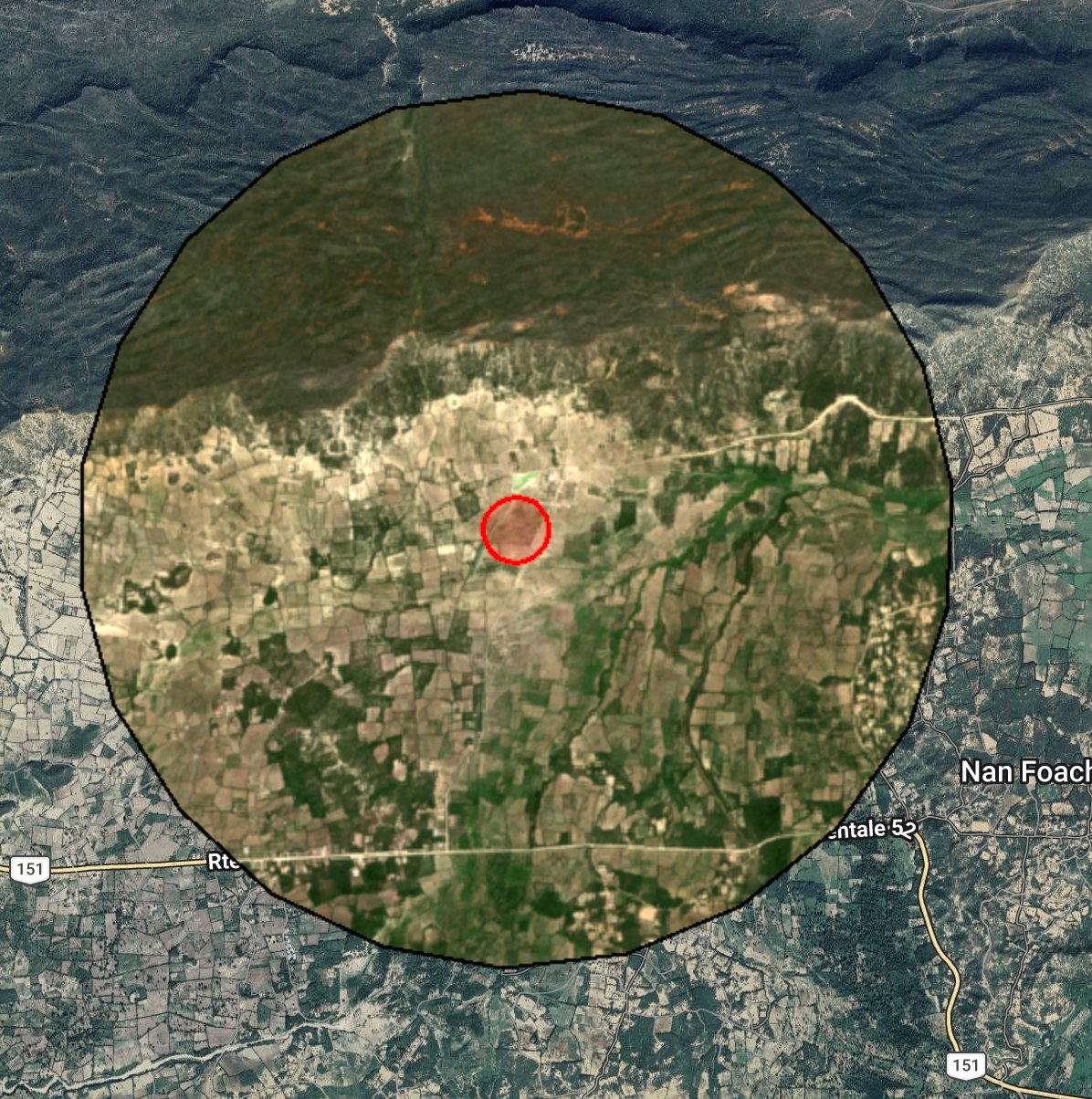
A preliminary HDNF screening covered an approximately 20-acre pilot area and 3,600 acres of surrounding context. It used 10-meter Sentinel-2 imagery and identified variation in vegetation and slope across the landscape.
This approach replaces guesswork with evidence. It respects local knowledge while adding tools that help farmers make better decisions plot by plot.
8. Consider Recurring and Flexible Giving
A single donation can make an important difference. Recurring support makes planning possible.
Monthly gifts help organizations:
- Maintain staff and local partnerships
- Plan agricultural seasons
- Continue technical follow-up
- Purchase inputs at the right time
- Expand successful programs
- Respond without waiting for the next news cycle
When possible, flexible or unrestricted giving can also help trusted local teams direct resources where they are most needed.
Today’s gift matters. Sustained commitment builds systems that can serve families for generations.
A crisis may last weeks. Transformation requires years.
9. Review Transparency and Accountability
Before you donate, review the organization’s available information. Look for:
- A clear description of programs
- Recent project updates
- Financial and operational information
- Specific outcomes and data
- Named partners or local leaders
- A secure donation process
- Contact information for questions
Transparency is not a marketing feature. It is a responsibility to donors and communities.
HDNF identifies itself as a Utah-based nonprofit founded in 2023 and publishes program reports describing its food security, economic development, and precision agriculture work. Visit the HDNF resources page to review available reports and updates.
10. Give in a Way That Matches Your Values
There is no single correct way to help Haiti.
You may want to support:
- Immediate food assistance
- Rural agriculture
- Women and youth in business
- Clean energy
- Education and training
- Local entrepreneurship
- Environmental restoration
- Sustainable tourism
- Research and technical expertise
The important step is to match your support with a clear outcome and a trustworthy organization.
You can also contribute beyond money. Share credible information. Offer professional skills. Connect Haitian organizations with funders. Support Haitian businesses and artisans. Subscribe to updates and remain engaged after the headlines move elsewhere.
Your Support Can Build More Than a Moment
Haiti’s challenges are urgent. They are also solvable through organized, sustained, community-centered work.
At HDNF, we believe the path forward requires food, energy, skills, and livelihoods working together. A family that grows food, preserves its harvest, raises livestock, accesses local financing, repairs its own tools, and develops income has more than assistance. It has greater control over its future.
“I'm very happy and I pray that God will expand the project beyond chickens.”
: Project beneficiary
That hope becomes stronger when a project is designed to expand.
Your donation can support farmers, families, entrepreneurs, and local leaders as they build a more food-secure and self-reliant Haiti. It can fund tools, training, infrastructure, and technical guidance that continue working beyond one emergency.
Not dependence, but self-reliance.
Not a temporary response, but lasting capacity.
Not relief alone, but Haiti 2050.
Donate to support sustainable development in Haiti.

Frequently Asked Questions
What is the best way to help Haiti?
The best approach combines support for urgent needs with sustained investment in Haitian-led, community-centered development. Look for organizations with clear missions, transparent operations, measurable results, and strong local partnerships.
How can I help Haiti with food security?
You can support programs that expand local food production through community gardens, irrigation, soil health, seed libraries, livestock, farmer training, preservation skills, and precision agriculture. These programs help families produce and protect food over time.
Is monthly giving better than a one-time donation?
Both are valuable. Monthly giving provides predictable resources that help organizations plan agricultural seasons, maintain local staff, continue follow-up, and expand successful programs.
How does HDNF support Haiti?
HDNF supports five connected areas: food production, energy independence, preservation skills, craftsmanship, and sustainable tourism. Its flagship Precision Agriculture Initiative uses land data and agricultural expertise to help farmers make science-based decisions for specific plots of land.
Can I support HDNF’s work directly?
Yes. You can make a donation through HDNF, review current initiatives on the Haiti programs page, or explore the organization’s published resources and reports.